
By Elly Herriman
I think Greece has changed position quite dramatically in the international property conversation.
For years, it was one of those countries people loved instinctively. They loved the islands, the food, the coastline, the pace of life and the familiarity of the Mediterranean setting. But when the conversation became more practical — where to relocate, where to buy, where to create a European base, where residency still made sense, Greece was often admired without always being prioritised.
That feels different now.
International Living placed Greece at number one in its 2026 Annual Global Retirement Index, ahead of Portugal, Costa Rica, Panama, Spain and France. That matters not just because it is a flattering headline, but because it reflects a wider shift in how Greece is being seen. It is no longer only the place people picture. It is becoming the place they look at more seriously.
That is what makes Greece interesting to me in 2026.
It still has all the emotional pull it always had. What has changed is that it now feels more credible, more strategically relevant and more complete as a property story. It is not simply a lifestyle market anymore. It is increasingly a market that sits at the intersection of lifestyle, access, structure and long-term usefulness.
A big part of that comes down to the property-linked residency discussion.
The current Greek Golden Visa thresholds are €800,000 in higher-demand locations including greater Athens, greater Thessaloniki, Mykonos, Santorini and islands with more than 3,100 inhabitants, €400,000 in other areas, and €250,000 for certain commercial-to-residential conversions and historic building restorations. Under the main residential route, the property must be at least 120 sq.m. and cannot be used for short-term rentals.
That matters because it keeps property central to the discussion in a way that feels increasingly important when buyers start comparing Greece with other European markets.
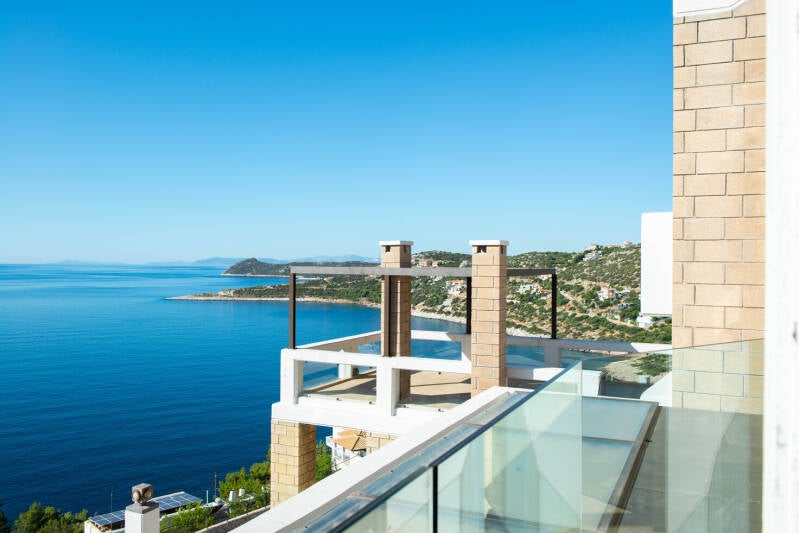
And it is not a theoretical story. You can already see the breadth of the Greek market in the type of stock being actively marketed. At the top end, a large luxury seaview villa in Attica is listed at €990,000 in Dikastika, with 7 bedrooms, 9 bathrooms and 788 m² of space. It is the kind of property that shows how Greece can still offer scale and sea views near Athens at a level that feels comparatively interesting by wider European standards.
Large luxury seaview villa in Attica
https://internationalpropertyalerts.com/property/large-luxury-seaview-villa-in-attica
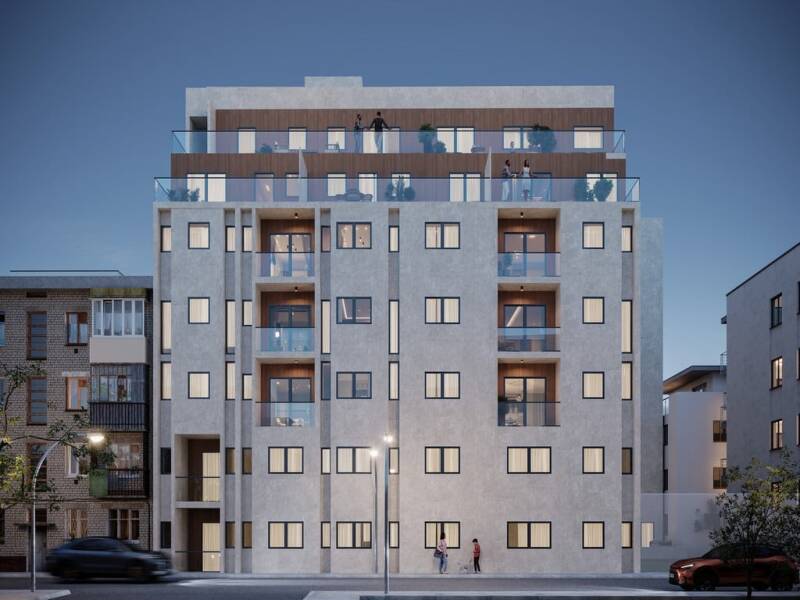
At a much lower entry point, Meridia 1 Bedroom Living in the Heart of Piraeus is listed at €263,000 for a 48 m² apartment. That kind of listing matters because it shows Greece is not only about villas and island houses. There is also an urban story here, particularly around Athens and Piraeus, that speaks to buyers looking for a foothold rather than a trophy purchase.
Meridia 1 Bedroom Living in the Heart of Piraeus
https://internationalpropertyalerts.com/property/meridia-1-bedroom-living-in-the-heart-of-piraeus
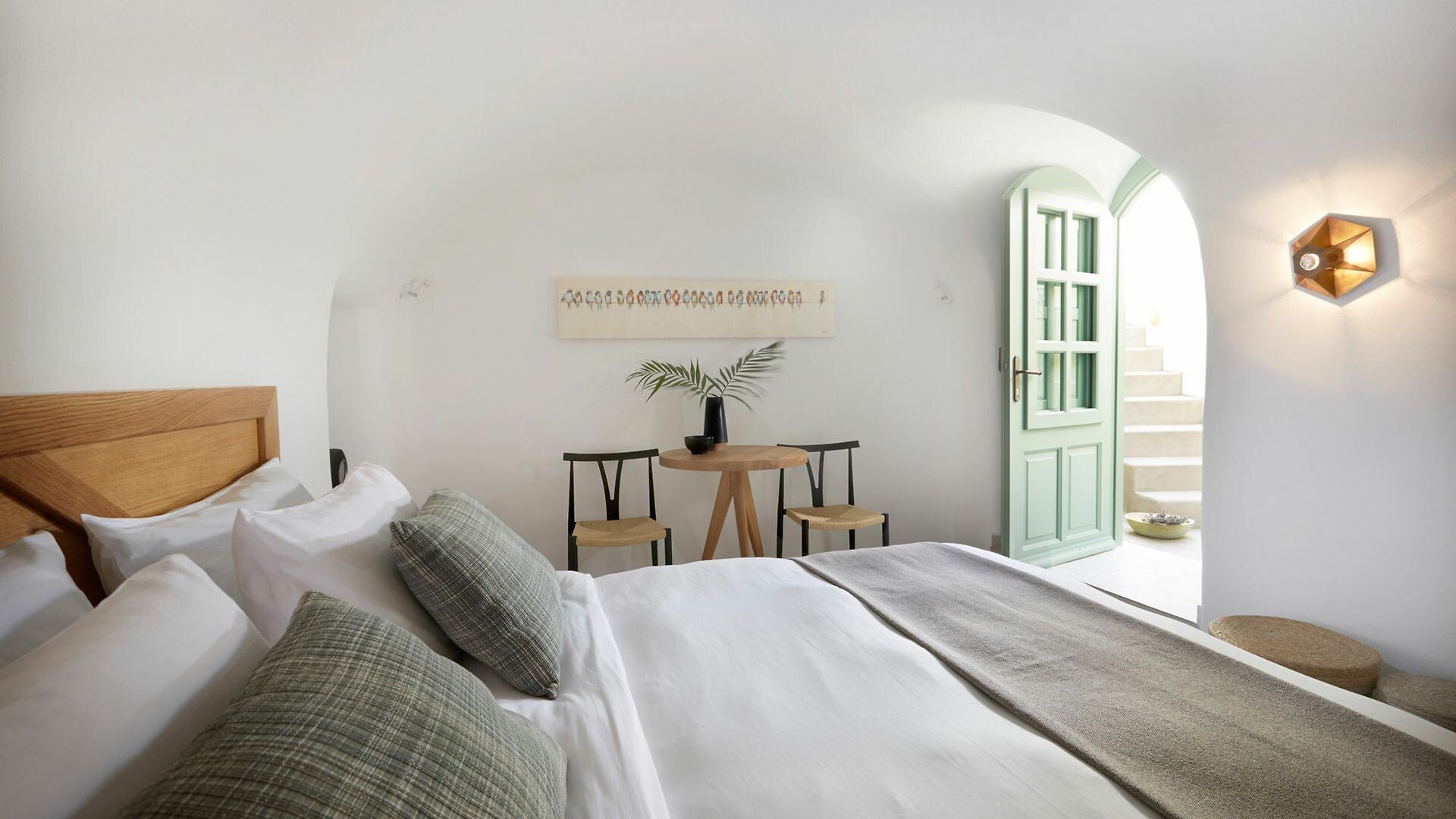
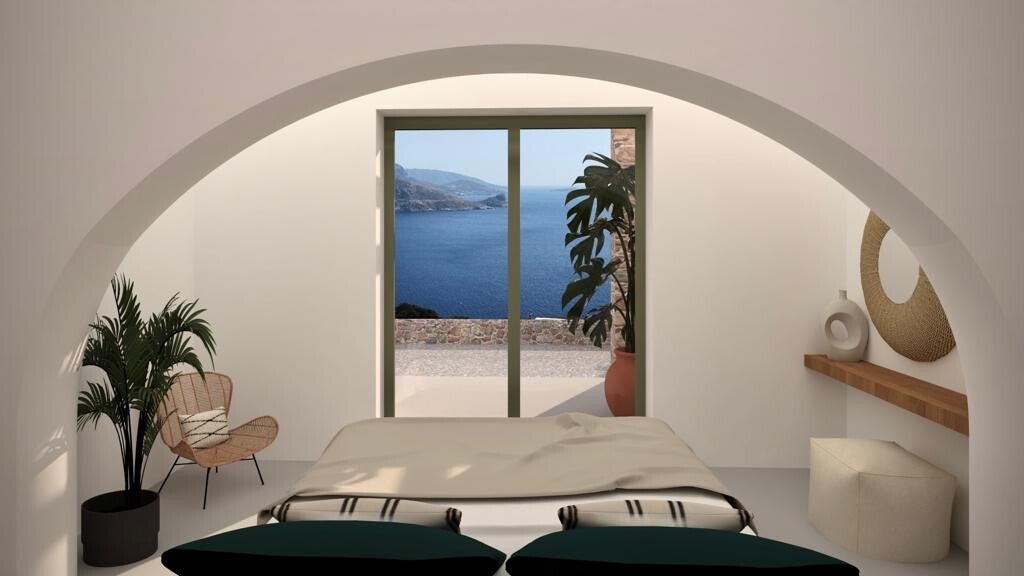
The island picture is just as important. Santorini picturesque house is listed at €360,000 in Pyrgos Kallistis, with 2 bedrooms, 2 bathrooms and 75 m². Meanwhile, exclusive sea view villas in Kalymnos island start from €225,000. That gives a good sense of the wider Greece story: not just prestige, but range.
Santorini picturesque house
https://internationalpropertyalerts.com/property/santorini-picturesque-house
Exclusive sea view villas in Kalymnos island
https://internationalpropertyalerts.com/property/exclusive-sea-view-villas-in-kalymnos-island
That is another reason Greece feels more persuasive now. It is not just one thing. It is not only the ultra-prime islands, not only the Golden Visa angle, and not only a retirement narrative. It is a broader, more flexible market than that.
I do not think the real Greece story is that it has suddenly become better than everywhere else. I think the real story is that it has become harder to dismiss.
It is harder to dismiss because it now offers more than beauty. It offers recognisable lifestyle appeal, stronger international visibility, and a residency framework in which property still matters. That does not mean it will be the right answer for everyone. It means it has become a more persuasive answer than it was even a few years ago.
For property buyers, that is where it gets interesting.
Because Greece is no longer just selling a dream. It is starting to look like one of Europe’s more useful markets too.
Useful for people who want a Mediterranean base. Useful for buyers comparing access, lifestyle and ownership structure more carefully. Useful for those who still want real estate to matter within a residency-led conversation. And useful for people who are asking not only where they would enjoy spending time, but where the framework around ownership still makes sense.
That is why I think Greece has moved beyond the “beautiful lifestyle buy” label.
In 2026, it looks like one of Europe’s most convincing property stories.
Greece has always been easy to admire. In 2026, it is becoming much harder to overlook.
Add comment
Comments